
What is a blog, and how does it work? What is blogging, and who is a blogger? These questions are quite popular these days. All these queries are being used interchangeably and closely related to each other. Earlier, blogs were used as personal diaries that included people’s life experiences, views, or areas of interest that they wanted to share publicly. Publishing blogs online is called blogging. Now, blogs and blogging are part of our lives.
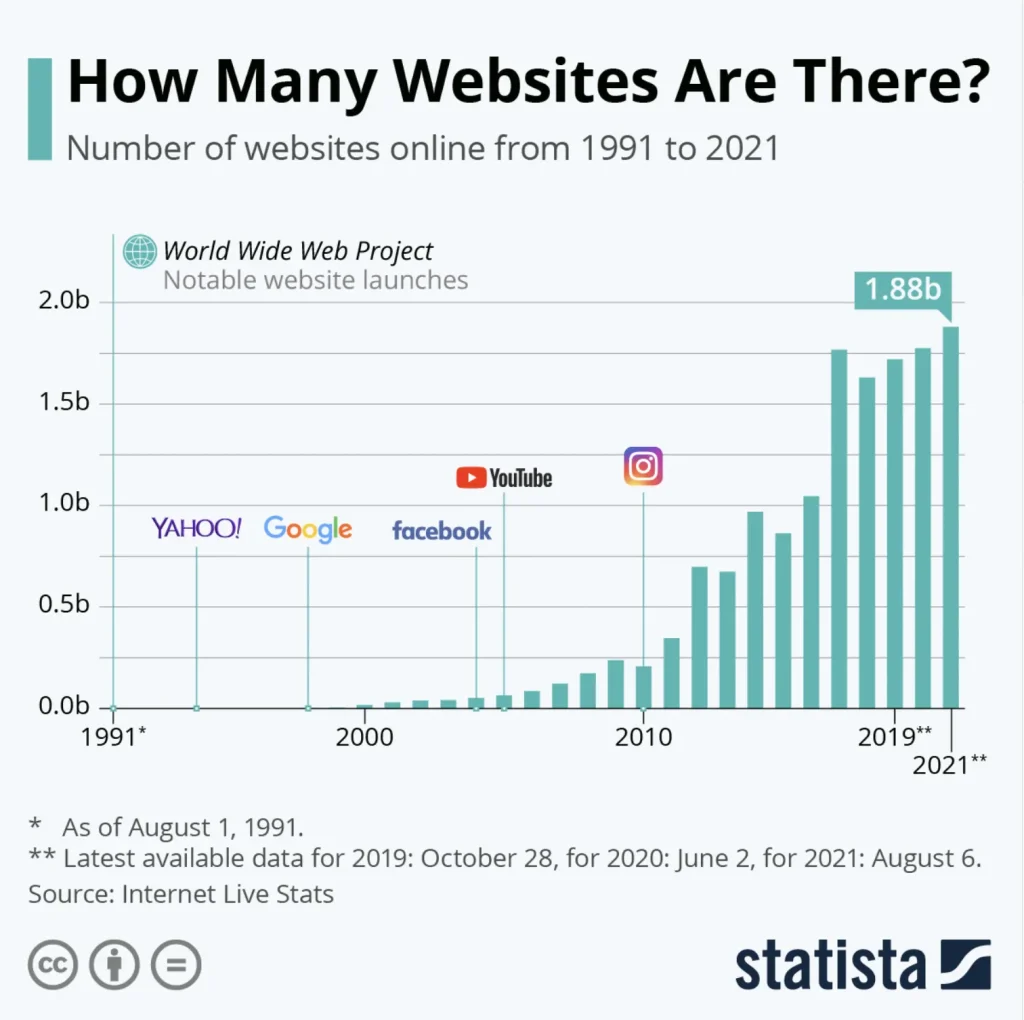
Do you know how many websites there are? According to Statista, there are about 2 billion websites on the Internet. Out of these, over 600 million are blogs, which has set a spark in this virtual world of innovation.
Quick Answer: Blog, Blogging, and Blogger Meaning
A blog is a website or a section of a website where posts are published regularly. Blogging is the process of writing, publishing, updating, and promoting those posts. A blogger is the person who creates, manages, or writes content for a blog.
In simple words, a blog is the platform, blogging is the activity, and a blogger is the person behind the content.
What is a blog?
Blog definition
The full form of the word “blog” is “weblog.” A blog publishes new posts and updates content regularly. Readers can browse published articles in reverse chronological order.
In a blog, the latest posts always appear first, and old posts move down. You can browse them using navigation or the blog archive.
What does the blog mean?
Blog meaning—A blog helps to share and exchange views on a particular niche or subject. It is written in a conversational style to reach readers’ hearts.

What is the purpose of a blog?
The most important purpose of a blog is to connect with the audience by creating blogs that touch the hearts of readers and audiences. There might be various reasons to start a blog, be it for personal gratification or business recognition and growth.
Blogging can offer you monetary rewards or financial incentives. It is our very primary motive. Keep ranking your website higher than your competitors and increasing business exposure.
For business, consumers play a very important role as you must depend on them directly or indirectly to sell products and services continuously. For a successful business, blogging plays an important part as you must keep on blogging to attract consumers and catch their attention towards your services.
Therefore, blogging is active in your business’s growth, recognition, and brand visibility through a website. When you attain the habit of running a blog, you will become more determined, and the feeling of being competitive will arise.
If you constantly adopt the habit of blogging, you will surely boost your website’s traffic by increasing the number of target audiences. A blog also helps create your niche authority, brand loyalty, and awareness.
When looking for lead generation tools, remember to include the blog. A call to action (CTA) button in your great content will help you generate more leads and conversions.
The better you use your niche knowledge to generate creative, knowledgeable, and informative posts, the stronger the connection you build with your target audience. Apprehensive blogging will help your business. You can gain brand recognition and become incredible in the eyes of the audience.
Blog structure
Since 1994, we have seen many changes in blog layouts. Different blog themes provide different layouts that can help you represent your business online. You can hire a designer to develop your custom blog theme or buy a readymade theme from different online marketplaces.
The basic elements of a blog remain the same. These are given below:
Header
The top part of a blog consists of your brand logo, main menu, navigation bar, search icon, etc. Some modern themes offer options like a top menu (optional).
Main content
In this part of your blog, you see the published blog posts in reverse chronological order.
Sidebar
It is a normal part of the blog where you can add social media widgets, the latest content, popular content, the latest user comments, call-to-action buttons, advertisements, etc.
The sidebar was very useful on desktop computers. Nowadays, most people are browsing on mobile; thus, the sidebar is not mandatory for a blog.
Footer
It is the lowest part of your part, where you can add necessary links, a contact page, a privacy policy page, a disclaimer, a copyright notice, etc.

Difference between blog and website
What is the difference between a blog and a website? Are they two different terms with the same meaning and purpose? The answer to it is No.
Do you want to know what a blog and website are?
A blog and a website are terms used differently and have different meanings. Nowadays, people get easily confused between these two different things. It may sometimes be challenging to differentiate between a blog and a website. Businesses and companies are creating blogs and incorporating them into their website. You can check a few business websites, and in their menu bar, you will find a word, phrase, or button to their blog.
What is the difference between a blog and a website?
You need to publish blog posts on a blog, whether a personal blog or a business blog. This means a blog needs to be updated regularly. For example, a food blog involves sharing new recipes to promote a particular food brand, restaurant, cafe, etc.
Blogs can engage the audience in the published posts, i.e., readers/visitors can give their views, comments, ratings, and share their thoughts. That’s why bloggers update their blogs regularly with many new posts.
A website’s content can be on a static or dynamic web page, but the owner does not regularly update the page. It does not have an option to write comments, reviews, ratings, etc.
You can see a publishing date, author profile, categories, and tags on a blog; a website does not have these elements.
Bloggers try to publish or update their content regularly to give the latest information to their readers. Nobody wants to read outdated content. The frequency of publishing or updating content may be daily, weekly, or monthly. It will depend upon the blogger’s publishing schedule. Readers may see a new post every time they look into it.
For the readers, a static website’s content may remain the same from one visit to another. It may or may not have the latest information.
After learning the difference between a blog and a website, you should take a brief look at the format of a blog post.

Blog post format
Nowadays, blogs include varied features and consist of a diverse list of items. However, there is a standardized set of features that almost all blogs have.
Given below are some standard features that a blog includes:
Title
The title or header is an eye-catcher that grabs attention and promises to be fulfilled by the end of your post.
Introduction
It provokes the reader’s mind and draws attention to the post.
Main Body
It includes the main content or the points arranged logically, holding the reader’s attention.
The main body of content should have proper headings, sub-headings, bullet points, and some statistical data to prove your information is correct and updated.
Conclusion
The summary or closure of endpoints calls the reader to take measures in the form of action or feedback.
These were the key elements of a blog structure. Each element is essential in its own way.
Types of Blogs
Blogs can be created for different purposes. Some blogs are personal, while others are built for business, education, news, affiliate income, or niche authority.
Personal Blog
A personal blog is used to share personal experiences, stories, thoughts, opinions, and lifestyle updates. Many beginners start with personal blogging because it feels natural to write from real life.
Business Blog
A business blog helps companies educate customers, explain products or services, answer common questions, build trust, and attract leads through search engines.
Niche Blog
A niche blog focuses on one specific topic, such as finance, fitness, parenting, technology, travel, food, or education. Niche blogs are useful because they attract a focused audience.
Affiliate Blog
An affiliate blog earns money by recommending products or services. These blogs usually publish reviews, comparisons, buying guides, and tutorials.
News Blog
A news blog publishes regular updates about current events, industry changes, technology, entertainment, sports, education, or business.
Educational Blog
An educational blog helps readers learn a subject, skill, or concept. It may include tutorials, study guides, career advice, online learning tips, and exam preparation content.
Technology Blog
A technology blog covers apps, gadgets, software, AI tools, cybersecurity, troubleshooting guides, and digital trends.
Travel, Food, and Fashion Blogs
Travel blogs share destination guides and travel tips. Food blogs publish recipes and cooking advice. Fashion blogs cover style, trends, outfits, and shopping guides.
The best type of blog depends on your interest, knowledge, audience demand, and long-term content plan.
What is blogging?
Initially, blogging was used for personal use, like documenting one’s own experience, but now it has become a popular tool for growing and expanding a business, especially online. It has become an effective way to earn money online.
Blogging definition
Blogging is running and managing a blog that includes content writing, publishing, SEO, and social media management of blog posts on a blogging platform. You can choose a blogging platform to create a blog, e.g., WordPress, Blogspot, Weebly, Wix, Ghost, etc.
Blogging is the act of regularly putting together content on a content management platform. It can be one of the most effective tools for building visibility, trust, traffic, and leads when it is used with a clear content strategy.. Blogging can be considered the art and science of content marketing. Through the process of blogging, it becomes easier to post or share content online. It involves updating content regularly.

Why is blogging so popular?
Now, you know “what is blogging,” and are more familiar with “why is blogging so popular.”
In the world of technology, blogging is growing at a steady rate. All kinds of businesses use it to get recognition and promote themselves online. It is one of the tools for forming views and generating thought processes worldwide.
With the help of blogging, the business started keeping the information up-to-date, increasing customer satisfaction. Blogging paved the way for businesses to increase brand loyalty and form connections by building trust with large audiences. Regularly publishing new updates about products and services on their blogs helps businesses stay connected with the audience.
Personal and niche bloggers found a way to outsource more and more people interested in particular topics according to their tastes and preferences. With the help of a blog, readers can comment, and you can interact with them, which helps your business know how to work on the areas you need to improve. This way, you can create trustworthy followers.
You can make money blogging if everyone likes your blog and if it becomes an attention seeker. Blogging is a good source of earning income. You can make money with Google AdSense, different ad networks, affiliate marketing, or by selling products and services in which your customers are interested.
Are you interested in blogging? Here are some blogging ideas for starting a blog.
Who is a blogger?
What does a blogger mean?
Eventually, blogging has become a passion for people. People have started opting for blogging as it generates a good source of monetary rewards or passive income. For this reason, bloggers have started becoming famous through their well-known blogs or posts.
What does a blogger do?
A blogger does much more than write articles. A blogger researches topics, understands audience problems, writes useful content, optimizes posts for SEO, adds images, builds internal links, updates old posts, promotes content, checks analytics, and engages with readers.
From my experience, blogging does not end after pressing the publish button. A serious blogger keeps improving old posts, checks what readers are searching for, studies competitors, and updates content when information changes.
A blogger may also manage email newsletters, affiliate links, sponsored content, social media promotion, and monetization strategies. This is why blogging is both a creative and strategic activity.
Blogger definition
Regarding the definition of a blogger, I would like to say that a blogger is a person who has a blog, does blogging or posts a blog online for his readers.
He likes to share his thoughts, ideas, and views on a particular topic of interest and present them to the target audience.
A blogger can inculcate positivity and thoughtfulness in readers’ minds by engaging them and communicating with them online.
Blog vs Blogging vs Blogger
Many beginners use the words blog, blogging, and blogger together, but they do not mean the same thing.
| Term | Meaning | Example |
|---|---|---|
| Blog | A website or section where posts are published | A technology blog |
| Blogging | The process of creating and managing blog content | Writing and publishing articles |
| Blogger | The person who runs or writes for a blog | A person who writes tutorials, reviews, or guides |
A blog is the place where content appears. Blogging is the work involved in creating and maintaining that content. A blogger is the person who writes, publishes, updates, and promotes the blog posts.

Why do people blog today?
People blog for many reasons. Some start a blog to share personal experiences, while others use blogging to build authority, grow a business, attract customers, teach readers, or earn income online.
Businesses use blogs to improve SEO, answer customer questions, explain products or services, generate leads, and build trust. Creators and professionals use blogs to build a personal brand and showcase their expertise.
From my experience, the strongest blogs are not created only for traffic. They are created to solve real problems, answer real questions, and build long-term trust with readers.
Benefits of Blogging
Blogging offers many benefits for individuals, creators, professionals, and businesses.
Improves Online Visibility
Every useful blog post gives your website another chance to appear in search results and attract visitors.
Builds Authority and Trust
When you regularly publish helpful and accurate content, readers start seeing you as a reliable source.
Supports SEO
Blogging helps you target keywords, answer user questions, add internal links, build topical authority, and keep your website active.
Educates Readers
A blog can explain products, services, ideas, tutorials, comparisons, and industry trends in a simple way.
Generates Leads and Customers
Business blogs can bring potential customers to your website before they are ready to buy.
Creates Long-Term Digital Assets
Unlike short social media posts, useful blog posts can continue bringing traffic for months or years if they are updated properly.
Drawbacks of Blogging
Blogging has many advantages, but beginners should also understand its challenges.
Blogging Takes Time
Writing, editing, optimizing, publishing, and promoting blog posts requires consistent effort.
Results Are Not Immediate
Search engine traffic may take time to grow, especially for new blogs.
Competition Is High
Many niches already have strong competitors, so your content must offer better explanations, examples, and experience.
Content Needs Updates
Old blog posts can become outdated. Bloggers must update facts, screenshots, examples, links, and recommendations.
Income Is Not Guaranteed
Blogging can make money, but earnings depend on niche, traffic, trust, content quality, and monetization strategy.
How Do Bloggers Make Money?
Bloggers can make money in several ways, but income usually takes time. A blog must first build useful content, search traffic, audience trust, and authority.
Common ways bloggers make money include:
- Display ads
- Affiliate marketing
- Sponsored posts
- Selling digital products
- Online courses
- Consulting or services
- Paid newsletters
- Membership communities
- Email marketing
- Exclusive content
- Consultancy for paid members
- Product or service promotion
Blogging should not be treated as quick money. The most reliable approach is to choose a focused niche, publish helpful content, build trust, and monetize in ways that match the reader’s intent.
AI in Blogging
AI has changed how bloggers research, plan, write, and improve content. Bloggers can use AI tools to generate topic ideas, create outlines, improve readability, summarize content, prepare FAQs, and find content gaps.
However, AI should not replace human experience. AI-generated content can sound generic if it does not include real examples, personal insights, original research, and fact-checking.
The best approach is to use AI as an assistant, not as the final author. A blogger should still review, edit, verify, and add personal experience before publishing.
Best Blogging Platforms
Choosing the right blogging platform depends on your goals, budget, technical skills, and monetization plan.
| Blogging Platform | Best For |
|---|---|
| WordPress.org | Full control, SEO, professional blogging |
| WordPress.com | Beginner-friendly hosted blogging |
| Blogger | Simple free blogging |
| Wix | Drag-and-drop website and blog building |
| Medium | Writing without managing a website |
| Substack | Newsletter-based blogging |
| Ghost | Professional publishing and memberships |
For serious blogging, WordPress.org is often preferred because it gives more control over SEO, design, plugins, monetization, and website ownership.

How to Start a Blog
Starting a blog becomes easier when you follow a clear process.
Choose a Niche
Select a focused topic that matches your knowledge, audience demand, and long-term interest.
Pick a Blog Name
Choose a simple, memorable, and relevant blog name.
Buy a Domain Name
Your domain name is your blog’s web address. Try to choose a short and brandable name.
Choose a Blogging Platform
Pick a platform such as WordPress.org, WordPress.com, Blogger, Wix, Medium, Substack, or Ghost.
Get Web Hosting
If you choose a self-hosted blog, you need reliable web hosting to store your website files and make your blog accessible online.
Design Your Blog
Choose a clean theme, simple navigation, fast loading design, and mobile-friendly layout.
Publish Helpful Content
Start with beginner-friendly posts that answer real questions in your niche.
Optimize for SEO
Use clear titles, headings, internal links, images, meta descriptions, and helpful answers.
Promote Your Blog
Share your posts through social media, email newsletters, communities, and internal linking.
Update Old Posts
Review and improve older posts regularly so they stay accurate, useful, and competitive.
Key Takeaways
- A blog is a website or section where posts are published regularly.
- Blogging means creating, publishing, updating, and promoting blog content.
- A blogger is the person who writes or manages a blog.
- Blogs can be personal, business-focused, educational, niche-based, or monetized.
- Blogging supports SEO, branding, communication, authority, and income.
- Blogging still works in 2026 when content is useful, original, updated, and experience-based.
- AI can help bloggers, but human experience and trust remain important.
FAQs
Conclusion
A blog is more than a place to publish articles. It is a platform for sharing knowledge, building authority, educating readers, growing a business, and creating long-term digital value. Blogging is the process behind that platform, and a blogger is the person who brings ideas, experience, and useful information to readers.
Over the years, blogging has changed from simple online journaling into a serious tool for SEO, content marketing, personal branding, communication, and online income. However, successful blogging requires patience, consistency, useful content, audience understanding, and regular updates.
In my experience, blogging still works when it is done with honesty and purpose. If you choose the right niche, answer real questions, add your own experience, and keep improving your content, blogging can help you build visibility, trust, influence, and income in 2026 and beyond.
